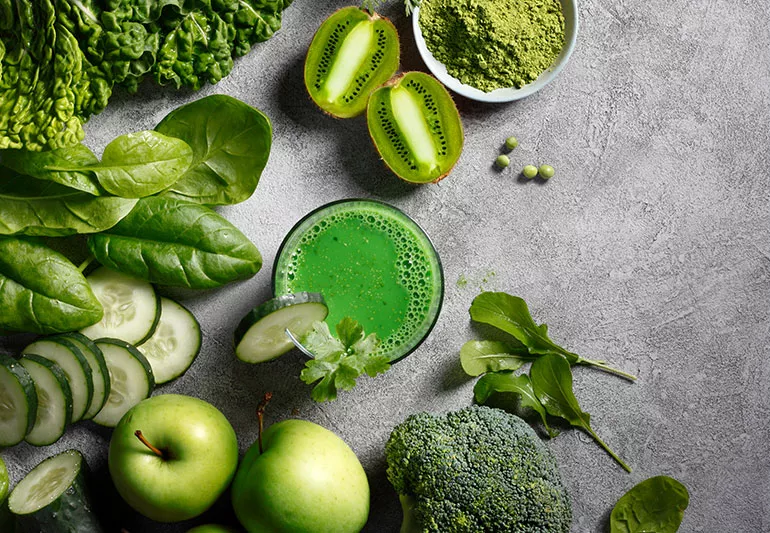
In the world of wellness, “detox” is a term often used to sell products, but the biological reality is much more fascinating. Your body is a highly sophisticated, self-cleansing machine that operates 24/7 without the need for expensive kits or restrictive cleanses.
Here is what you should know about the science of detoxification and how to support your body’s natural processes.
1. Your Internal “Detox Team”
You don’t need a juice fast to detox; you have dedicated organs that handle this more efficiently than any supplement:
-
The Liver: Your primary filtration system. It converts toxins (like alcohol or metabolic waste) into waste products, cleanses your blood, and metabolizes nutrients.
-
The Kidneys: These act as a high-pressure filtration system, removing waste and excess water from the blood to be excreted as urine.
-
The Digestive System: Your colon doesn’t just process food; it’s a major exit route for toxins and heavy metals.
-
The Lungs & Skin: You “detox” every time you exhale CO2 and through the protective barrier of your skin.
2. Supporting Natural Rhythms
Instead of a “reboot,” focus on providing the raw materials your organs need to function optimally:
-
Hydration: Water is the “solvent” for your kidneys. Staying hydrated is the single best way to flush out metabolic waste.
-
Fiber-Rich Organic Foods: Fiber (found in organic fruits, vegetables, and legumes) acts as a “broom” for your digestive tract, binding to waste and ensuring it leaves the body.
-
Quality Sleep: While you sleep, your brain’s glymphatic system clears out “cellular trash” that accumulates during the day.
3. Red Flags to Watch For
Be wary of “detox” programs that promise miraculous results. Scientifically speaking, most “cleanses” that result in rapid weight loss are simply shedding water weight and muscle, not “toxins.”
-
Avoid Extreme Caloric Restriction: This can slow your metabolism and deprive your liver of the energy it needs to actually perform its job.
-
Skip “Detox” Supplements: Many contain unlisted diuretics or laxatives that can lead to dehydration and electrolyte imbalances.
4. Lifestyle “Detox”
True detoxification is often more about what you don’t put in your body rather than what you add:
-
Reduce Ultra-Processed Foods: Lowering your intake of synthetic dyes, preservatives, and high-fructose corn syrup reduces the workload on your liver.
-
Choose Organic: Opting for organic produce when possible reduces your exposure to synthetic pesticides and herbicides.
#DetoxFacts #WellnessScience #OrganicLifestyle #HealthyLiving #LiverHealth #CleanEating #HolisticHealth #BodyWisdom #NutritionTips